Karate

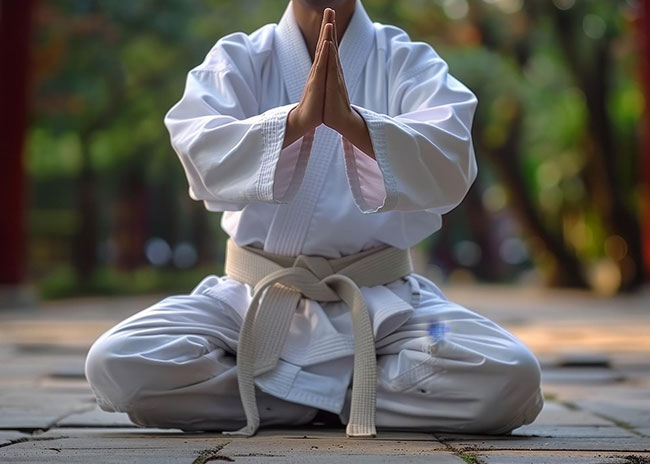
While karate equips students with practical self-defence skills, its greater purpose lies beyond physical protection. True karate teaches discipline, humility, and self-control, helping students develop a calm and focused mind. Through regular training, students learn perseverance, the value of consistent effort, and the importance of respecting teachers, peers, and oneself.
Karate also instills emotional resilience—the ability to remain composed under pressure—and encourages self-reflection and personal responsibility. Over time, these lessons extend beyond the dojo, influencing behaviour, decision-making, and conduct in everyday life.
Ultimately, karate is a path of self-improvement and character development, guiding students to become balanced, confident, and responsible individuals—not merely skilled fighters.
The philosophy of karate is founded on the understanding that true training involves three lifelong battles:
the battle of the body, the battle of the mind, and the battle of character.
The battle of the body develops physical strength, coordination, endurance, and correct technique through disciplined practice. It teaches students to respect their physical limits while steadily improving them through effort and consistency.
The battle of the mind is the challenge of focus, patience, and emotional control. Training requires concentration, resilience, and the ability to remain calm under pressure. Through this, students learn to overcome fear, frustration, and doubt.
The battle of character is the highest and most important battle. It involves cultivating humility, integrity, self-discipline, and respect for others. Karate teaches that technical skill without strong character is incomplete and potentially harmful.
In traditional karate, victory is not measured by defeating others, but by overcoming oneself. Success in all three battles leads
to balance, responsibility, and lifelong personal growth.